Paylaş
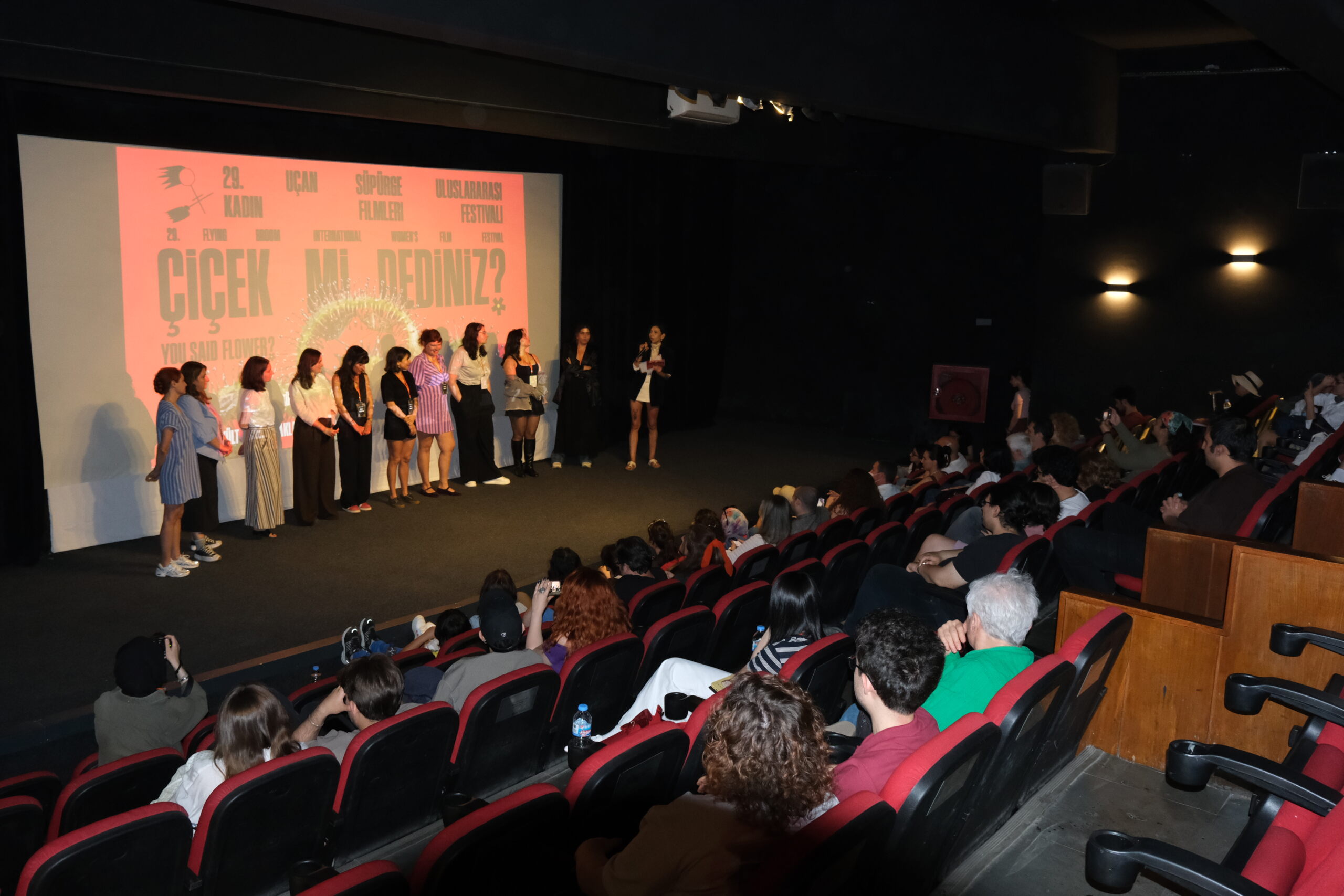
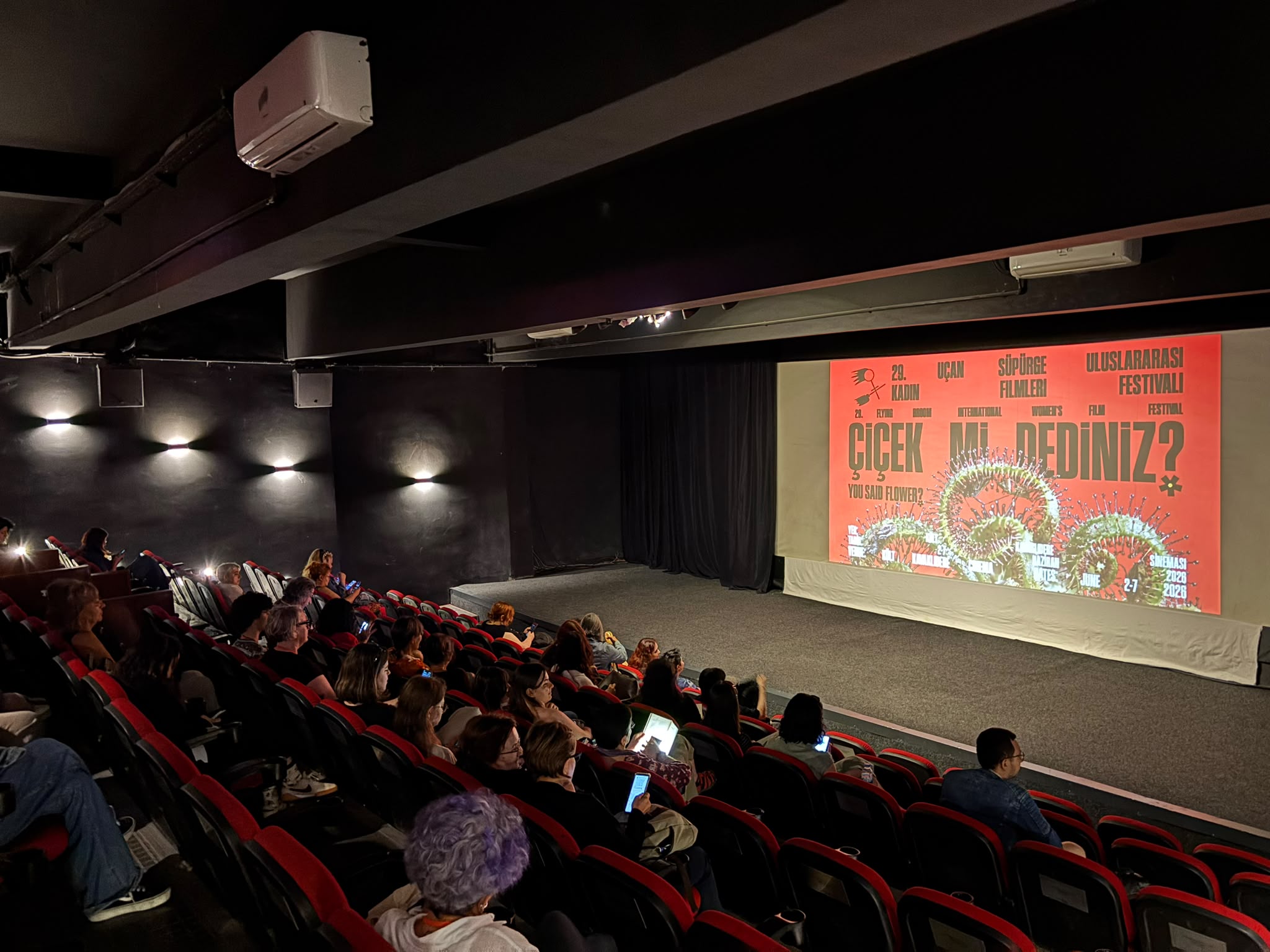
The third day of the 29th Flying Broom International Women’s Film Festival brought together Ankara audiences through a programme focusing on women’s place in collective memory, their pursuit of justice, and their struggles for existence across different geographies.
Film screenings, panel discussions, and conversations with acclaimed artists took place at various cultural venues across the city, once again demonstrating cinema’s power to make women’s labour, experiences, and voices visible.
The festival’s third day began with the 11:00 a.m. screenings of Between Dreams and Hopes, directed by Farnoosh Samadi, and Rowing Boat, directed by Cecilia Verheyden. Following the former’s sensitive portrayal of the social challenges that accompany the transition from childhood to adolescence, audiences were drawn to the latter’s exploration of a young woman’s struggle to find her place in a male-dominated world, using water and the sport of rowing as powerful metaphors.
At the 2:00 p.m. screenings, audiences encountered two powerful stories of resistance. In Island on the Mainland, legendary Hungarian filmmaker Judit Elek portrays the struggle for freedom of individuals constrained by rigid social rules and expectations. Meanwhile, the documentary Mundurukuyü: The Forest of Fish Women, directed by Beka Munduruku, Aldira Akay, and Rilcélia Akay, takes viewers deep into the Amazon, focusing on women who resist patriarchal structures while defending their culture, land, and way of life.
At the 4:30 p.m. session, audiences watched Yo, Love Is a Rebellious Bird, directed by Anna Fitch and Banker White, which presents the costs women pay within the complexities of contemporary relationships through striking visual storytelling, alongside Maybe Tomorrow, in which Judit Elek once again demonstrates her mastery of character-driven narratives.
The 7:00 p.m. screenings brought together two remarkable works: How Nice to See You Alive, Lúcia Murat’s acclaimed film blending fiction and documentary elements, and Silent Friend, directed by Ildikó Enyedi, which explores the profound and often unspoken connection between humans and nature with poetic sensitivity.
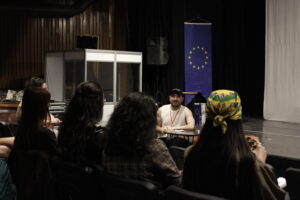
Following the screening of How Nice to See You Alive, audiences joined director Lúcia Murat for an in-depth discussion that evolved into a thoughtful conversation on personal memory, the experience of torture, dictatorship, and the transformative power of art.
Murat explained that the film draws directly from her own experiences and those of her fellow activists. She recalled spending years in therapy confronting memories of torture and trauma. During the making of this first feature film, many people around her encouraged her to “forget” and leave the past behind. Instead, she chose to resist collective amnesia, using cinema as a means of remembering and bearing witness.
Responding to a question about parallels between the film and Türkiye’s own experiences with military coups, Murat emphasized that cinema had been a tool of survival for her and stressed the importance of continuing to resist authoritarian regimes and dictatorships. The acclaimed filmmaker also shared that the film’s title was inspired by an encounter with an old friend who, years later, greeted her by saying, “How nice to see you alive.” Murat noted that despite the cheerful image often associated with Brazil, the consequences of the dictatorship remain deeply felt and continue to shape the country’s social and political reality.
The final screenings of the day, held at 9:30 p.m., featured Malaga Street, directed by Maryam Touzani, which explores the shared experiences of women from different social backgrounds navigating the complexities of urban life, and Memories They Told Me, Lúcia Murat’s poignant tribute to her close friend Vera, a survivor of torture, and a powerful reflection on collective memory.
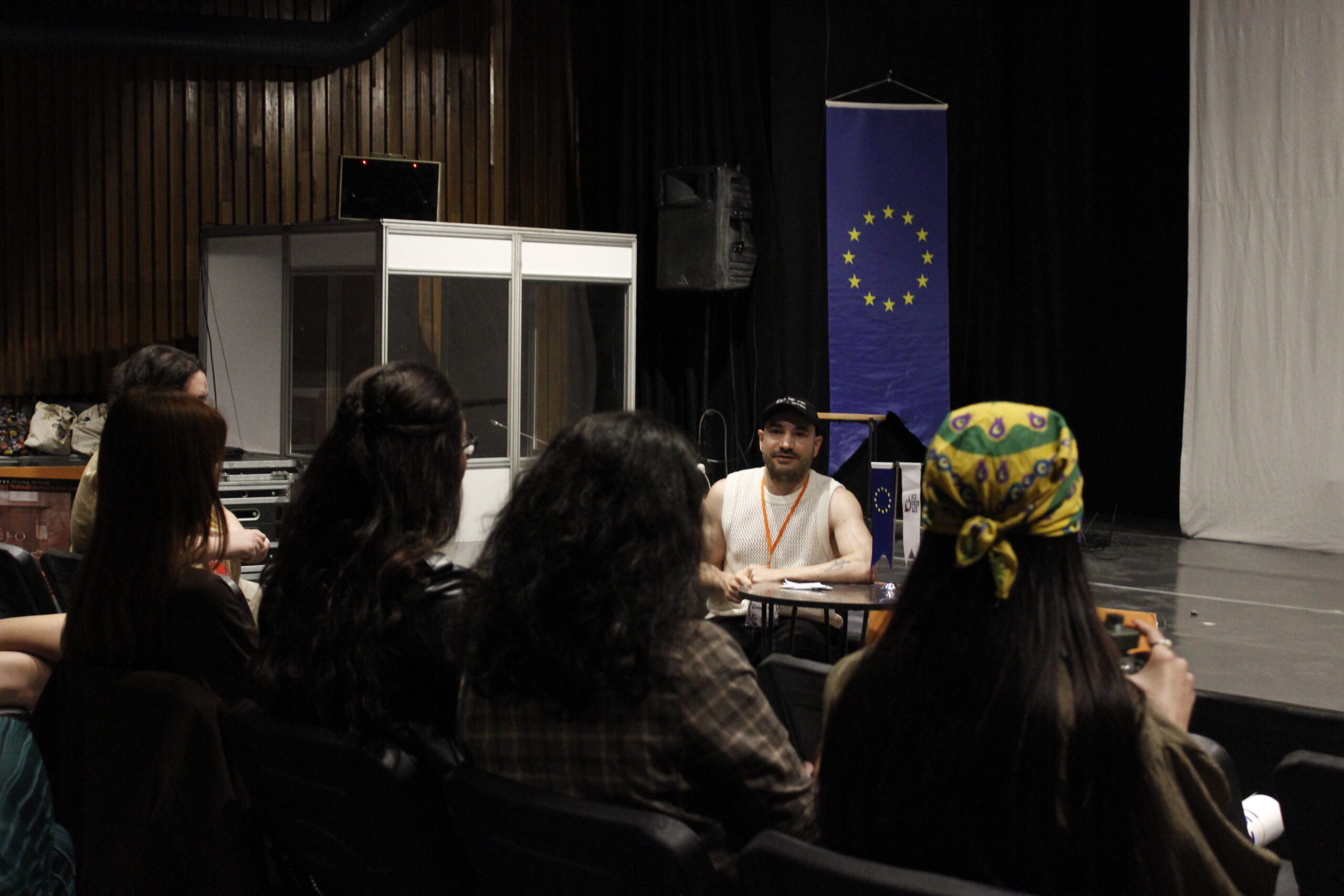
Following the screening of Memories They Told Me, audiences had the opportunity to join director Lúcia Murat for a discussion on the film’s themes, its historical context, and the importance of preserving memory through cinema.
Panels and Talks Throughout Ankara
At 3:00 p.m. at Kült Kavaklıdere Cinema, the panel “Demystifying International Sales, Distribution and Film Festivals” brought together leading international industry professionals Melanie Iredale, Nadira Murray, and Seemab Gul. The discussion focused on the festival journey of independent films after production, strategies for accessing global distribution networks, and the opportunities and challenges faced by women filmmakers in the international film industry.
In a conversation held with filmmaker Seemab Gul, whose film Ghost School will be screened on 6 and 7 June as part of the festival programme, the origins of the project’s social concerns were explored. Gul explained that more than 15,000 “ghost schools” have been abandoned in Pakistan due to neglect and corruption, while nearly 24 million children remain deprived of education. By telling the story through the eyes of a young girl, she said, the film aims to draw attention to child marriage, child labour, widespread social ignorance, and the barriers faced by women and girls.
Producer Nadira Murray also spoke about Jane Cumming’s Education, which will be screened at the festival on 5 June. She outlined the true story behind the film, centred on a scandal that transformed the lives of two women who founded a boarding school for girls in Scotland in 1810. Murray noted that director Sophie Heldman developed the screenplay using historical court records and explained that the film examines a landmark legal case through the themes of justice, inequality, and discrimination.
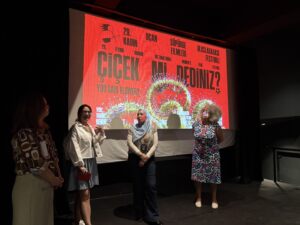
Following the screening of the documentary Yeni Han at 2:00 p.m. at the Mamak Muhsin Ertuğrul Stage, a discussion explored themes of war, migration, solidarity, empathy, and xenophobia.
Bingöl Elmas, recipient of the Bilge Olgaç Achievement Award, emphasized the importance of women articulating their own experiences and challenges in an authentic way. She stressed the need for solidarity and empathy free from paternalism, warning against the dangers of xenophobia and exclusion. Elmas argued that the struggle for equality must continue until every place in the world becomes safe for women.
Moderator Halime Güner added that rights can only be secured through collective action and organized struggle. She also highlighted empathy as the ability to understand and reflect upon another person’s life by genuinely engaging with their experiences.
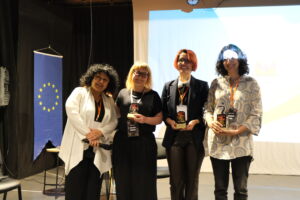
Following the 7:00 p.m. screening of Corridor at the Etimesgut Cumhuriyet Cultural Centre, audiences took part in a moving discussion with Emel Göksu, recipient of the festival’s Honorary Award.
Through the story of two sisters sharing the same home, the film explores themes of ageing, loneliness, and family relationships with both emotional depth and humour. Reflecting on the film, Göksu remarked that life is rarely simply black or white, inviting audiences to view the characters and their experiences through the many shades of grey that shape human existence.
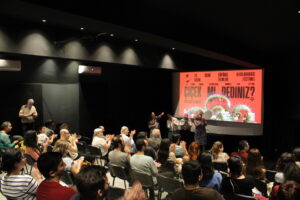
Moderated by Halime Güner, the discussion also featured active audience participation. Participants engaged in a thoughtful conversation on the growing visibility of women’s poverty in Türkiye, the difficulties elderly women face in accessing support mechanisms, and the role of social welfare policies in addressing these challenges.
What’s on Today at the Festival?
The excitement continues unabated on 5 June at the festival.
The day’s programme begins at 11:00 a.m. with the Short Reflections from Around the World selection and Three Ways to Return, directed by Xiaolu Guo, Andrea Luka Zimmerman, and Mania Akbari. At 2:00 p.m., audiences can watch Jane Cumming’s Education, directed by Sophie Heldman, alongside Between Dreams and Hopes by Farnoosh Samadi. A discussion with producer Nadira Murray will follow the screening of Jane Cumming’s Education.
The 4:30 p.m. session features Nuns Against the Vatican, directed by Lorena Luciano, and Memories They Told Me, directed by Lúcia Murat. Following the screening of Nuns Against the Vatican, audiences will have the opportunity to join a discussion with producer Filippo Piscopo and one of the nuns featured in the film.
At 7:00 p.m., The Top of the Dry Stone, directed by Yeşim Ustaoğlu and Selen Heinz, and Girls in the Sky, directed by Bérangère McNeese, will be screened. Following the screenings of The Top of the Dry Stone and Memories They Told Me, the directors will meet audiences and answer questions.
The final session of the day begins at 9:30 p.m., featuring Around Paradise, directed by Yulia Lokshina, and Playtime, directed by Lúcia Murat. Both screenings will be followed by discussions with the filmmakers.
The festival programme also features two special events in the evening.
At 7:00 p.m. at the Etimesgut Cumhuriyet Cultural Centre, audiences will have the opportunity to watch Yeni Han, followed by a discussion with director Bingöl Elmas.
At the same time, Kült Kavaklıdere Cinema will host the panel “Women’s Labour in Technical Fields within Türkiye’s Film and Television Industries.” Moderated by Mutlu Binark, the panel will bring together Tuvana Simin Günay, Aysun Öner, and Mine Pakel to discuss the experiences, challenges, and contributions of women working in the technical sectors of the screen industries.
Global Short Reflections
The curtain rises on the festival’s 5 June programme with a rich international selection bringing together experimental and compelling stories by women filmmakers from across the globe.
As part of the Short Reflections from Around the World programme, audiences will discover The Morning Before the Pooja by Debarati Gupta, a poignant exploration of a woman’s silent grief within the family; Henry Is a Girl Who Likes to Sleep by Marthe Peters, a delicate collage reflecting on intimacy and vulnerability; Orla by Marie Lukáčová, which combines ecological and feminist perspectives through animation; Love Your Nails! by Narges Kalhor, a fantastical reimagining of traditional gender roles; Inheritance by Mischa Andreski, focusing on a woman’s return to her roots and her confrontation with a hereditary illness; and Pet Devil by Anahid Yahjian, a visually poetic meditation on alienation and identity after motherhood.
Dönüşün Üç Yolu, Andrea Luka Zimmerman ve Mania Akbari
Screening alongside the Short Reflections from Around the World programme, this experimental work brings together the creative voices of acclaimed filmmakers Xiaolu Guo, Andrea Luka Zimmerman, and Mania Akbari. Transcending geographical and cultural boundaries, the film explores themes of displacement, belonging, the search for one’s roots, and personal rediscovery, adding a thought-provoking and intellectually rich dimension to the festival programme.
Jane Cumming’s Education / Sophie Heldman
Set in Scotland in 1810, this compelling period drama tells the true story of two women who establish a boarding school for girls through their own determination and resources. When allegations of an inappropriate relationship made by one of their students upend their lives, they find themselves at the centre of a landmark legal battle that lasts for a decade. As producer Nadira Murray has noted, the film draws extensively on historical court records, offering a powerful account of discrimination, injustice, and the struggle for dignity in the face of prejudice.
Between Dreams and Hopes / Farnoosh Samadi
In this delicate yet realistic coming-of-age story, Farnoosh Samadi centres the relationship between Azad and Nora, two young people caught between tradition and modernity. With sensitivity and emotional depth, the film portrays the social tensions faced by individuals on the threshold of adulthood, the complexities of family dynamics, and the hopes they continue to nurture despite the uncertainties surrounding their future.
Nuns vs. the Vatican / Lorena Luciano
This dynamic documentary by Emmy Award-winning director Lorena Luciano examines abuse within the Catholic Church and the determined struggle of nuns who have chosen to break through a deeply entrenched culture of silence. Through a powerful narrative, the film highlights the inspiring resistance of women seeking justice in the face of rigid institutional structures and the exploitation of faith.
A Memória Que Me Contam / Lucia Murat
Dedicated by master filmmaker Lúcia Murat to the memory of her close friend Vera, who fought alongside her during Brazil’s military dictatorship and survived torture, this powerful drama revisits questions of memory, history, and political commitment. Following a group of former guerrilla fighters caught between the revolutionary ideals of their past and the realities of the present, the film offers a poignant reflection on loss, friendship, and the importance of keeping collective memory alive.
On th Dry Rock / Yeşim Ustaoğlu ve Selen Heinz
Screened as part of the Close-Up section, which brings together the latest works of women directors from Türkiye, this film by Yeşim Ustaoğlu and Selen Heinz offers audiences a richly textured cinematic experience. Distinguished by its nuanced character study, the film explores individual feelings of confinement and questions of belonging, bringing together personal struggles and social ties through Ustaoğlu’s powerful visual storytelling.
The Girls from Above / Bérangère McNeese
This film, set to greet audiences during one of the festival’s most anticipated evening screenings, centres on women determined to pursue their freedom on their own terms. Focusing on characters who challenge social constraints and the traditional roles imposed upon them, the film portrays their resilience and determination while fostering a powerful sense of solidarity among viewers.
Around Paradise / Yulia Lokshina
Featured in the festival’s final screenings of the day, this compelling film opens a striking window onto the lives of people living in isolated places or on the margins of society. With dramatic depth and emotional nuance, it explores the fragile worlds they create for themselves, their search for happiness, and their often invisible struggles against the systems that shape their lives.
Play Time / Lucia Murat
This acclaimed film by master filmmaker Lúcia Murat stands out for its remarkable creative journey, having evolved from a documentary into a fiction feature as a result of bureaucratic obstacles encountered during production. Referencing the work of the pioneering Black Brazilian writer Lima Barreto, the film offers a poetic and political meditation on the persistence of structural inequalities. Through its powerful narrative, it reminds audiences that issues such as racism, violence, economic injustice, and gender inequality have remained deeply rooted in society for more than a century.
Press Kit Drive Link:
https://drive.google.com/drive/folders/1wet4eImykRhZ__f13Fe7VBlpHuRiryYh
For festival and catalogue details:
For inquiries and further information: Katayoun Dadashi (Press Officer)
/ 0552 282 7934 / basin@ucansupurge.org.tr