Paylaş
Memory, Resistance and Justice on the Fifth Day of the Festival: Women’s Voices from the Middle East to the Vatican
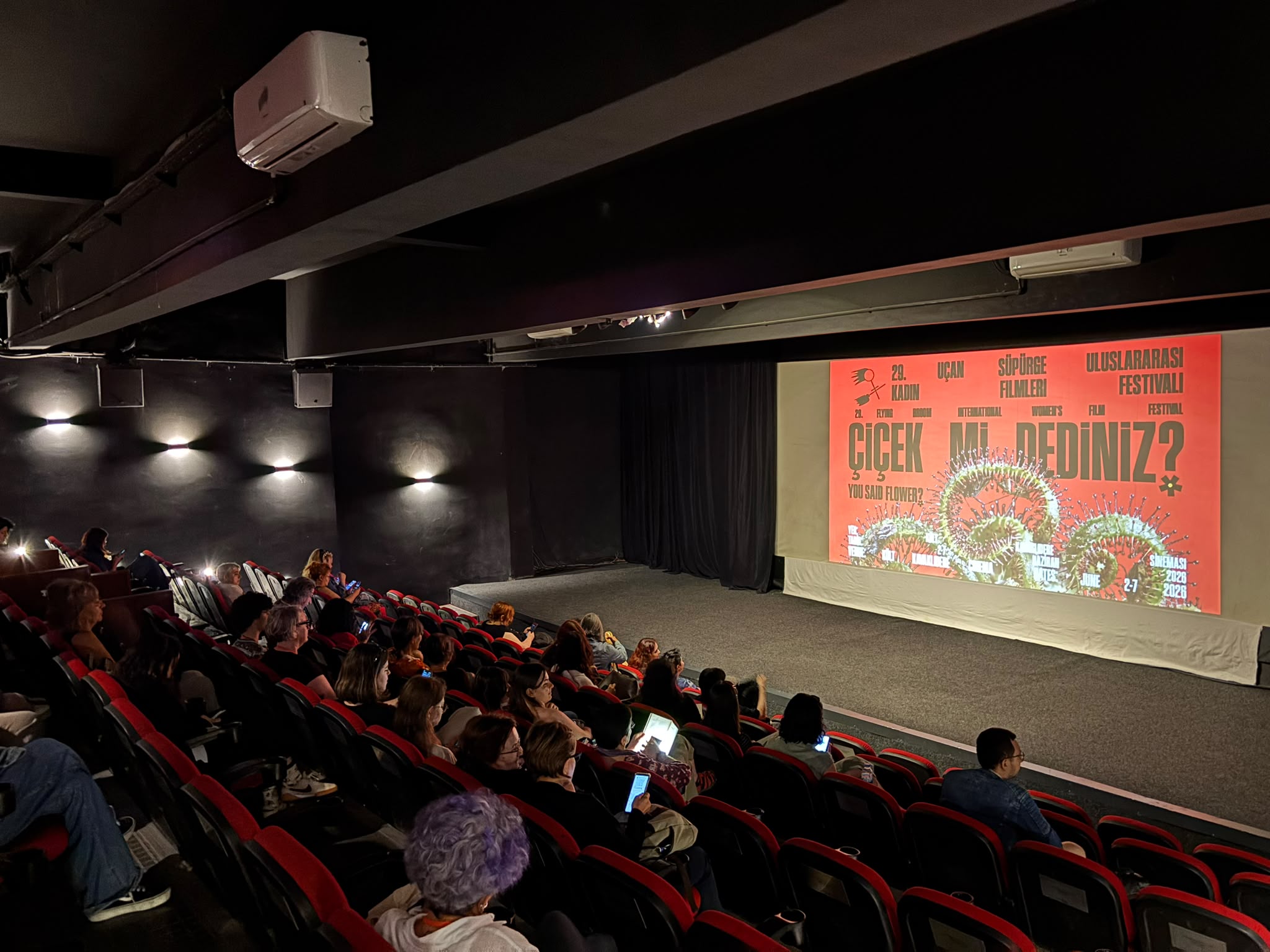
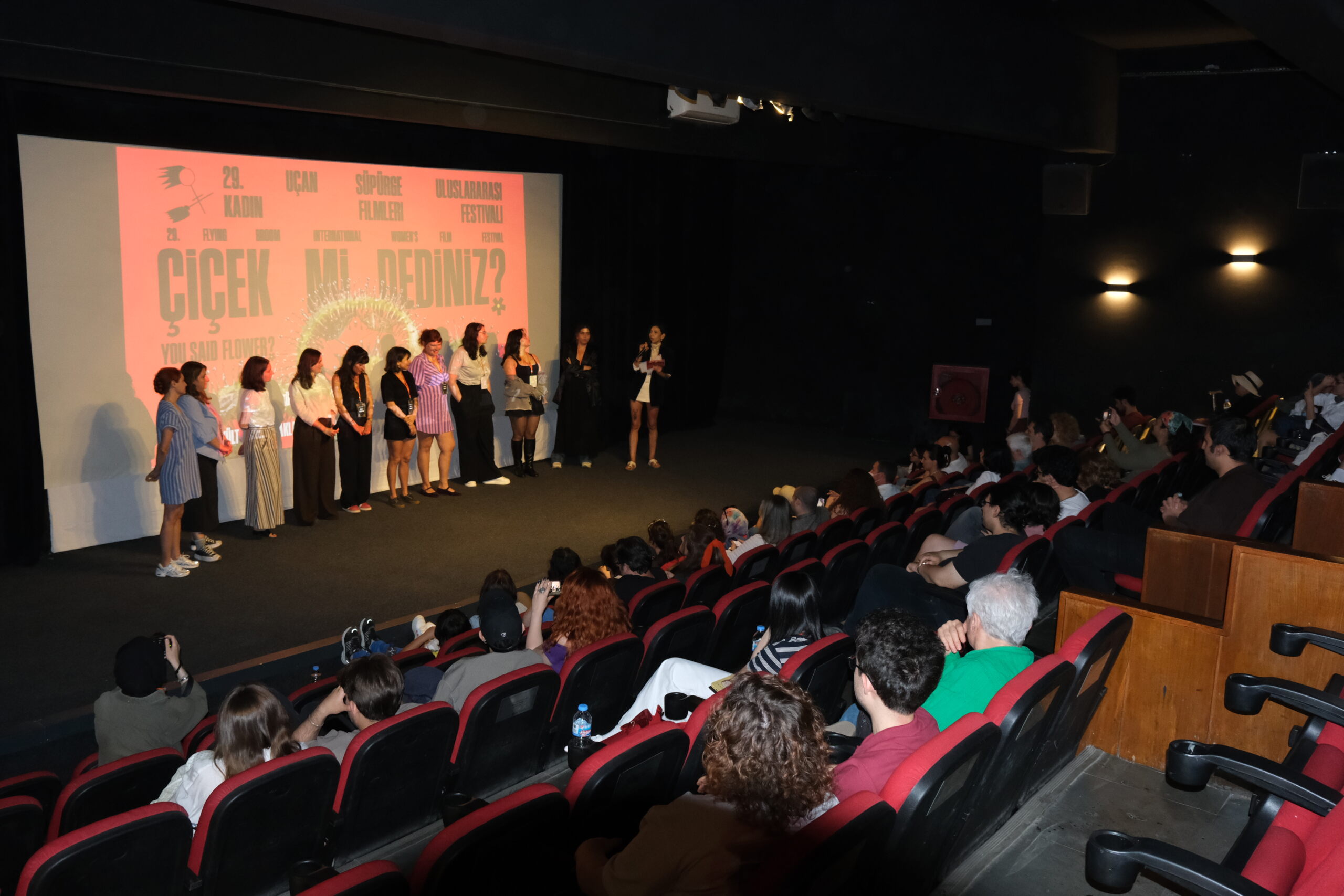
The fifth day of the 29th International Flying Broom Women’s Film Festival concluded with a rich programme of screenings and side events. As the festival approaches its finale, audiences are now looking ahead to the Closing and Awards Ceremony, which will take place on 7 June at 19:00.
During the ceremony, the winner of the FIPRESCI Award will be announced from among the films competing in the Each One a Different Colour section, as selected by the International Federation of Film Critics (FIPRESCI) jury members Omnia Adel, Nadia Meflah, and Ece Vitrinel. Earlier in the day, acclaimed filmmaker Yeşim Ustaoğlu will also lead a Masterclass at Kült Kavaklıdere Cinema at 15:00.
Living on the Edge: Women, Memory and Resistance in the Middle East
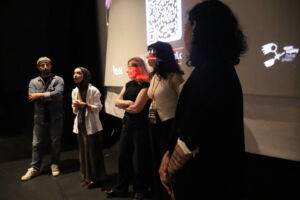
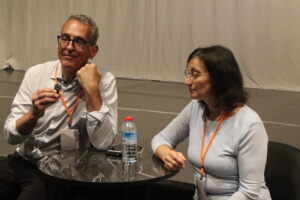
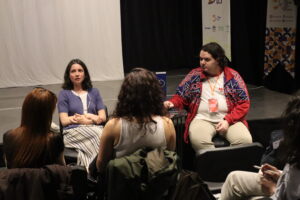
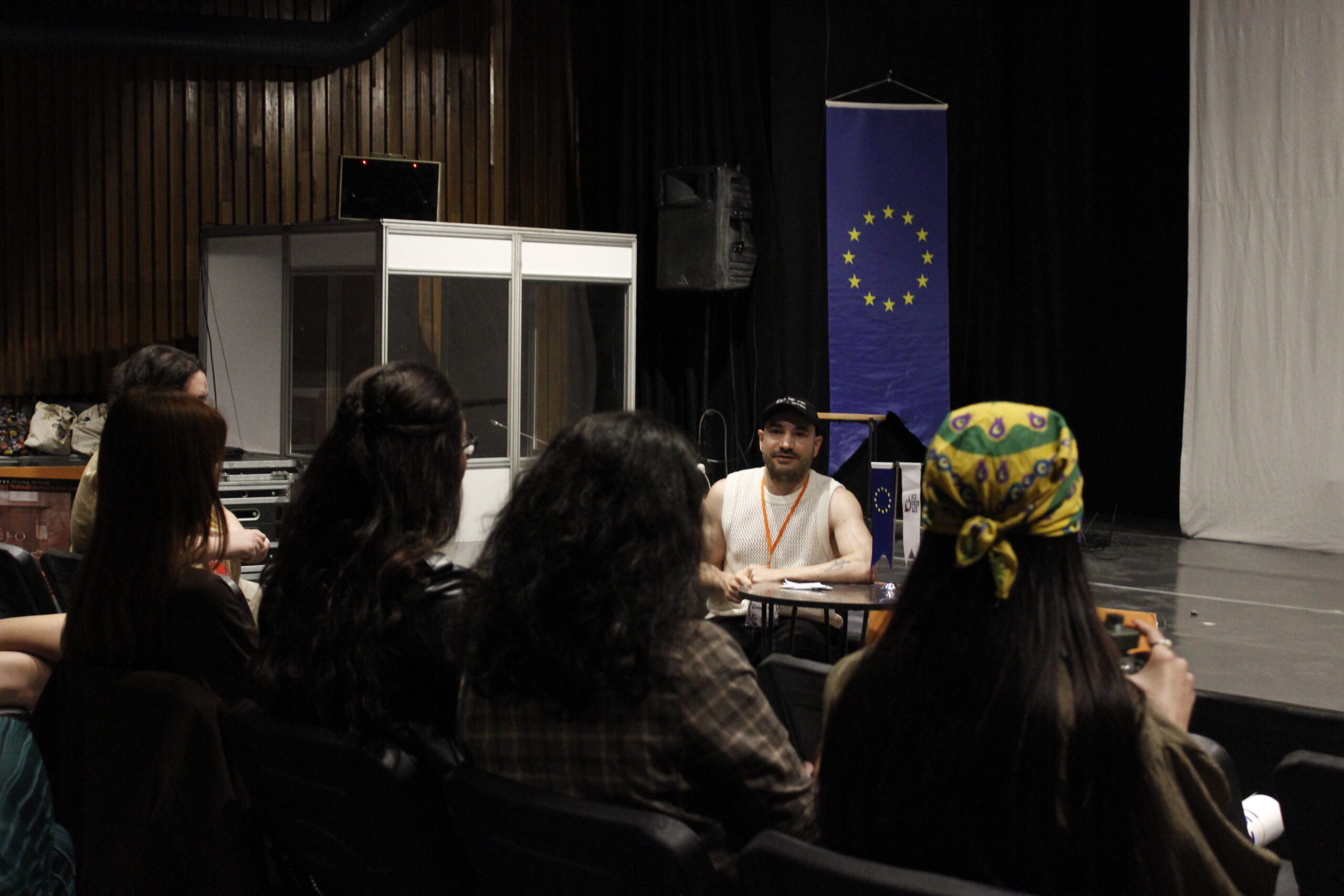
As part of the festival programme, a panel discussion moderated by Tuğçe Kutlu, Research Assistant at Ankara University, brought together filmmakers Seemab Gul and Gözde Kural at Kült Kavaklıdere Cinema.
The discussion highlighted how the impact of war extends far beyond the battlefield, permeating everyday life and disproportionately affecting women and children. Speakers addressed the often-invisible labour of women within the film industry, barriers to education, social inequalities, and the role of memory in shaping the future. While emphasising that hope can endure even under the most difficult circumstances, both filmmakers noted that this conviction informs their cinematic practice. The panel also underscored how women’s everyday acts of resistance, though frequently overlooked, remain essential to broader processes of social transformation.
Particular attention was given to issues of war, migration, child labour, and women’s representation within decision-making structures, generating significant engagement from attendees.
Screening and Discussion: Nuns Against the Vatican
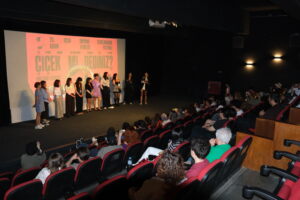
One of the day’s most impactful events was the screening of Nuns Against the Vatican. Despite its challenging subject matter, the documentary was met with strong audience engagement. The post-screening discussion became especially emotional with the participation of one of the nuns featured in the film.
The documentary examines the experiences of nuns who endured years of abuse and sexual violence perpetrated by members of the clergy. Bringing long-ignored allegations and testimonies into public view, the film amplifies the voices of survivors while documenting their pursuit of justice.
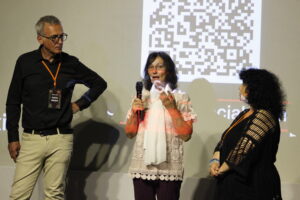
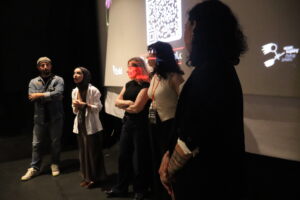
Following the screening, producer Filippo Piscopo and Sister Vida joined audiences for a discussion about the film’s development and production process. Piscopo explained that he first learned about the issue through a newspaper article and subsequently decided, together with director Lorena Luciano, to investigate the subject and bring it to the screen. He noted that nearly two years of research preceded the start of filming.
Sister Vida reflected on the years of silence surrounding the experiences documented in the film, stating that she had been unable to speak openly about what had happened until meeting Luciano and Piscopo.
“No one was listening to us. After meeting Lorena and Filippo, we finally had the opportunity to tell our story.”
The documentary sheds light on allegations of sexual abuse within the Catholic Church while foregrounding survivors’ ongoing struggle for recognition and justice.
The Education of Jane Cumming and a Conversation with Producer Nadira Murray
Another highlight of the day was a discussion with producer Nadira Murray following the screening of The Education of Jane Cumming.
Murray explained that she joined the project shortly before principal photography began and therefore became involved during the later stages of development. What initially drew her to the screenplay, she noted, was the presence of three distinct female protagonists with markedly different personal histories.
Although the women come from diverse backgrounds—including one character of mixed Indian heritage—they share a common determination to refuse silence. Murray emphasised that each character, in her own way, seeks to speak out, claim her rights, and pursue justice.
At the Head of the Dry Stone Brings the Destruction of Yusufeli to the Screen
Within the section dedicated to contemporary productions from Turkish cinema, At the Head of the Dry Stone, directed by Yeşim Ustaoğlu and Selen Heinz, screened at Kült Kavaklıdere Cinema.
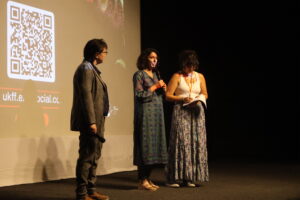
The documentary focuses on villages in Yusufeli that were submerged as a result of dam construction and follows the experiences of communities forced to leave their homes. Following the screening, the filmmakers participated in a discussion moderated by Dalım Mayadağlı.
Ustaoğlu explained that witnessing the situation firsthand profoundly affected the creative team and ultimately led them to undertake the project. Heinz noted that the film particularly focuses on Göcek Village, where approximately half of the settlement has disappeared beneath the water.
The directors also revealed that filming was carried out by a two-person crew, a circumstance that helped establish trust with local residents. Over time, villagers became increasingly comfortable in front of the camera and shared their experiences with remarkable openness and honesty.
Asked about the personal impact of the project, Ustaoğlu described feelings of anger and helplessness during each visit to the region. She stressed that beyond the physical destruction, an invaluable cultural and moral heritage embedded in the landscape had also been erased. She further criticised the relocation of cemeteries as part of the displacement process.
The filmmakers concluded by announcing plans to screen the documentary in Artvin in the near future, continuing its engagement with communities directly affected by the disappearance of cultural memory and place.
Saturday’s programme opened at 11:00 with screenings of Karla and the National Documentary and Experimental Selection. At 14:00, audiences attended the National Short Fiction Selection alongside Lorena Luciano’s documentary Nuns Against the Vatican. Post-screening discussions with filmmakers and members of the creative teams followed the screenings.
At the same time, Clair-Obscur (Tereddüt) was screened at Etimesgut CKM, followed by a conversation with director Yeşim Ustaoğlu, moderated by Hasan Nadir Derin.
The programme continued at 16:30 with Seemab Gul’s Ghost School and Yulia Lokshina’s Near Paradise. Following the screenings, both filmmakers joined audiences for Q&A sessions.
At 19:00, viewers were presented with Lucia Murat’s How Nice to See You Alive and Sophie Heldman’s The Education of Jane Cumming. Meanwhile, at 19:30, the panel discussion “Living on the Edge: Women, Memory and Resistance in the Middle East” took place. Following the screenings, Lucia Murat and Nadira Murray, producer of The Education of Jane Cumming, met with audiences for post-screening conversations.
The day concluded with the 21:30 screenings of Gözde Kural’s Cinema Jazireh and Yeşim Ustaoğlu and Selen Heinz’s At the Head of the Dry Stone. Both screenings were followed by discussions with the filmmakers.
What Awaits Audiences on 7 June?
The festival programme continues on Sunday, 7 June. The day will begin at 11:00 with screenings of Silent Companion and the National Short Fiction Selection.
At 14:00, audiences will once again have the opportunity to watch the National Documentary and Experimental Selection alongside Karla.
At 15:00, Kült Kavaklıdere Cinema will host a Masterclass with Yeşim Ustaoğlu, offering audiences the opportunity to engage with one of Türkiye’s most distinguished filmmakers.
The 16:30 programme will feature Ghost School and Cinema Jazireh.
In the evening, at 19:00, Malaga Street will screen ahead of the festival’s Awards Ceremony, during which the recipient of the FIPRESCI Award will be announced.
The 29th International Flying Broom Women’s Film Festival will conclude with the 21:30 screenings of Replica and the film awarded the FIPRESCI Prize, presented simultaneously as the festival’s closing screenings.